
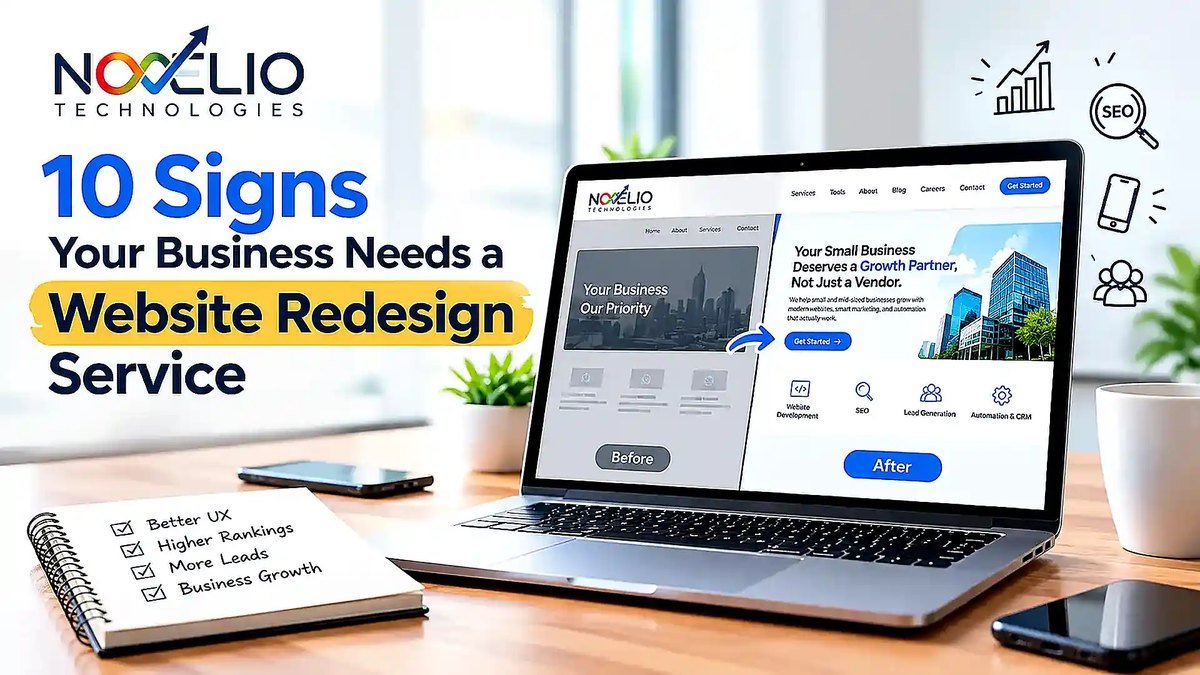
10 Signs Your Business Needs a Website Redesign Service
Website Redesign Web Development Technical SEO Conversion Small Business
The short version: a website does not need a redesign because it looks old. It needs one when it is stopping customers from finding you, understanding you, trusting you, or contacting you. These ten signs help you tell the difference between a site that needs targeted fixes and one that needs rebuilding.
Your website helps potential customers understand your business and decide whether to contact you. If it is slow, confusing, outdated, or difficult to use, visitors leave and rarely come back. The ten signs below are the ones we look for first when a business asks whether it is time for a redesign.
Work through them honestly. Some point to a problem you can fix in an afternoon. Others point to a structural limitation that no amount of patching will solve. Knowing which is which is the difference between spending money well and spending it twice.
Table of Contents
- 1. Your Website Is Slow to Load
- 2. Your Website Is Not Mobile-Friendly
- 3. Visitors Cannot Quickly Understand What You Do
- 4. Your Content No Longer Matches What Customers Search For
- 5. Your Website Has SEO or Indexing Problems
- 6. Your Website Gets Traffic but Very Few Leads
- 7. Your Website Does Not Build Enough Trust
- 8. Your Website Contains Thin, Duplicate, or Outdated Content
- 9. Parts of Your Website Are Broken, Insecure, or Hard to Use
- 10. Your Website Looks Older Than Your Business Really Is
- Redesign Is Not About Making a Website Prettier
- Will a Website Redesign Affect Your SEO?
- FAQs
1. Your Website Is Slow to Load
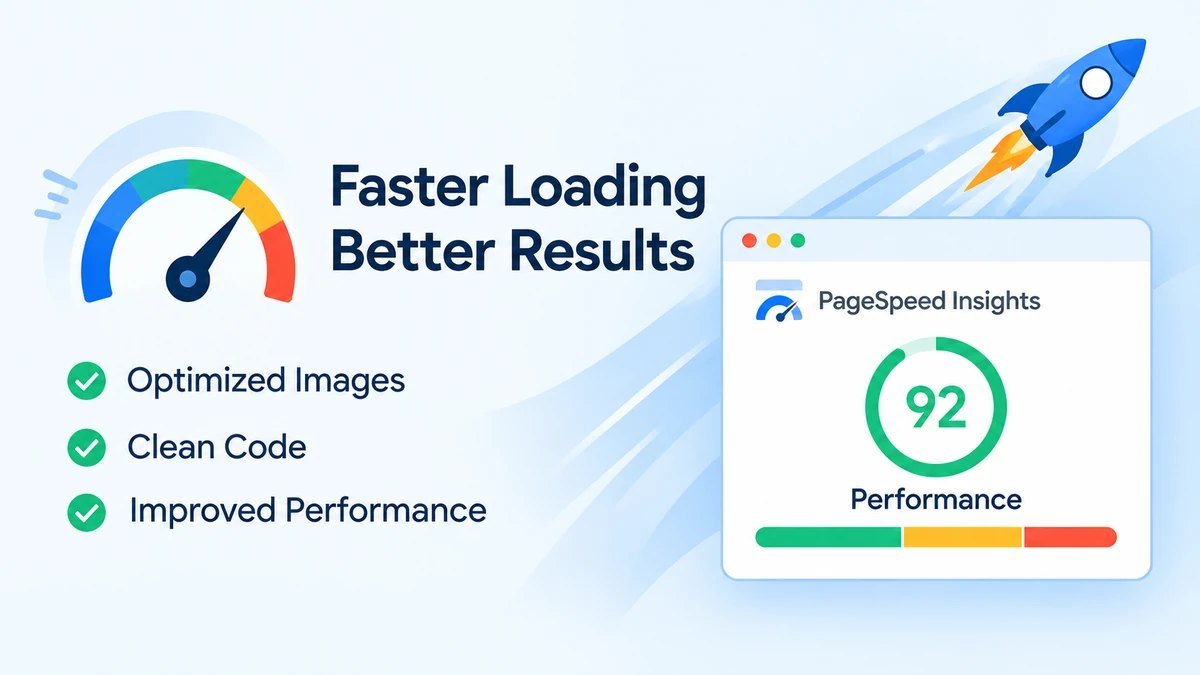
Slow pages frustrate visitors and make it harder for them to explore your services. Large uncompressed images, unnecessary scripts, outdated code, and cheap hosting are the usual culprits, often all at once.
Measure before you change anything. Google’s Core Web Vitals documentation explains how loading, responsiveness, and visual stability are measured, and what counts as a good score.
Then check whether your images are larger than they need to be and whether the site loads features that visitors rarely use. Compressing images, removing unused plugins, and improving caching can solve a surprising share of speed problems without rebuilding anything.
The redesign signal is different: if performance stays poor after that cleanup because the site is built on outdated technology, patching is no longer the cheaper option.
2. Your Website Is Not Mobile-Friendly
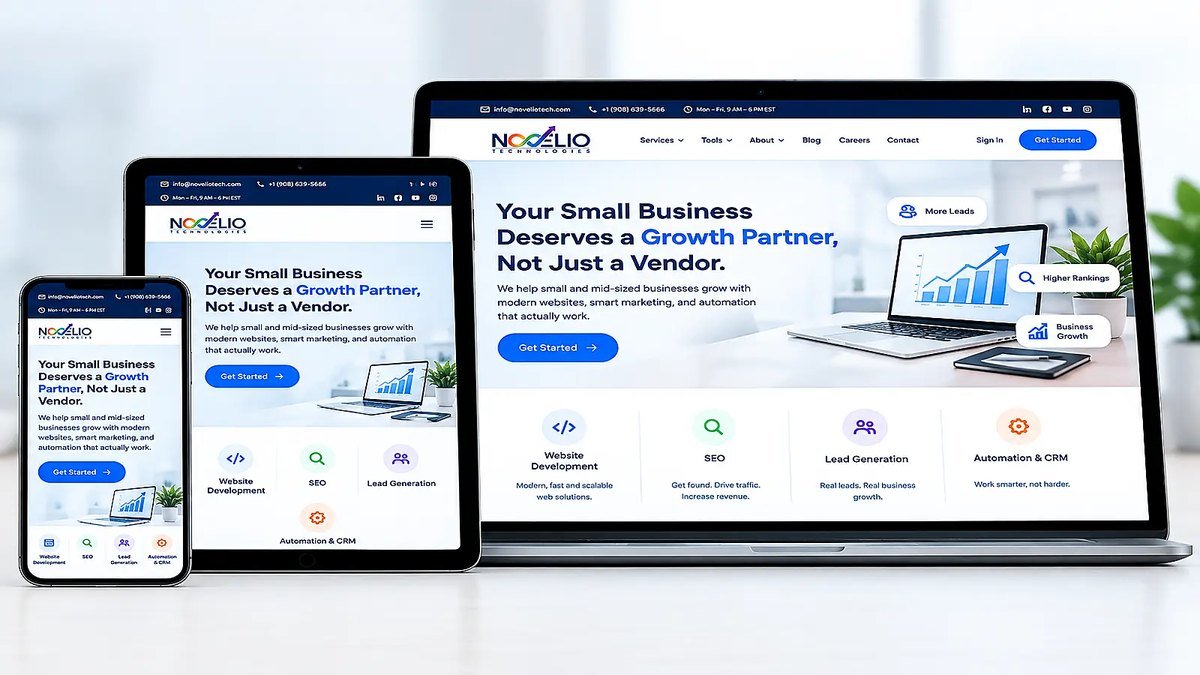
Open your own website on a phone, on mobile data, the way a customer would. Can you read the text without zooming? Are the buttons easy to tap? Does the menu open and close properly? Can you complete the contact form with one thumb?
If the answer to any of those is no, you are losing the majority of your traffic before it ever reaches your offer. A responsive website adjusts to phones, tablets, and desktops, and keeps navigation, images, buttons, and forms usable at every size.
Accessibility belongs in the same review. Following the Web Content Accessibility Guidelines (WCAG) makes your site easier to use for people with different abilities, and the same changes usually improve usability for everyone else too.
3. Visitors Cannot Quickly Understand What You Do
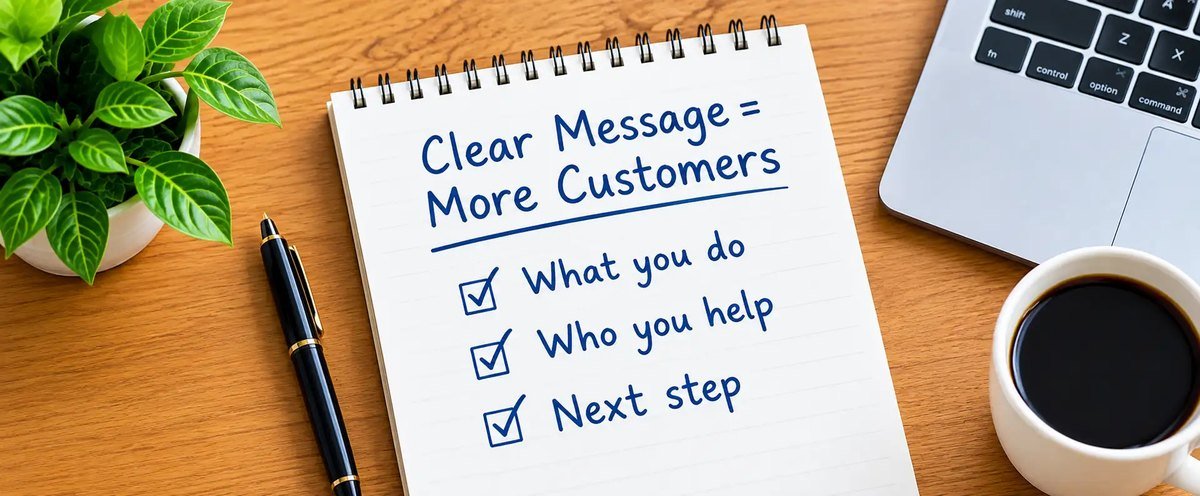
A first-time visitor should be able to answer three questions within seconds: what does this business offer, is it for someone like me, and what do I do next? Vague headlines and abstract slogans fail all three.
Use plain language, name the problems you solve, and keep your calls to action visible. Put the essentials near the top of the page rather than below three screens of scrolling, and use descriptive headings so people who scan still get the point.
Your website development services page should state what you do, who you do it for, and how to get started, in that order.
4. Your Content No Longer Matches What Customers Search For
Businesses change faster than their websites. Services get added, dropped, or repositioned, and the pages describing them quietly fall out of date. Visitors then read the wrong information, or do not find an answer to the question that brought them there.
Review your service pages, headings, and FAQs against what people actually search for. Well-executed SEO services identify that search intent and the gaps in your current content, so updates are based on demand rather than guesswork.
Keep each page focused on one clear customer need. Repeating keywords does not help; answering the questions people ask before they contact you does.
5. Your Website Has SEO or Indexing Problems
A beautiful website has limited value if search engines struggle to understand it. Technical debt accumulates quietly, especially after years of plugin installs, deleted pages, changed URLs, and handovers between developers.
Typical warning signs include broken links, duplicate pages, incorrect redirects, missing or weak page titles, old URLs still appearing in Google, important pages not indexed, confusing site architecture, weak internal linking, and crawl errors.
Use Google Search Console to inspect your important URLs and review the indexing reports. A redesign is a good opportunity to clear this debt, but it does not fix these problems automatically. Someone still has to do the work.
6. Your Website Gets Traffic but Very Few Leads
Traffic alone does not grow a business. If visitors arrive but rarely call, submit a form, or request a quote, the site is not guiding them toward action, or it is attracting the wrong audience entirely.
Make contact details easy to find, cut optional form fields, and give each page one obvious next step. Review your analytics and landing pages to see where people drop off, and track calls and form submissions so you can tell whether a change actually worked.
Match the call to action to the stage the visitor is at. Someone comparing providers wants to read more; someone ready to hire wants to book. Putting five competing buttons on one page serves neither.
Every important page should answer three questions: Why should I trust you? Why should I choose you? What should I do next? If a page cannot answer all three, more traffic just means more lost opportunities.
7. Your Website Does Not Build Enough Trust
Before anyone contacts you, they investigate you. They are looking for evidence that your company is real, experienced, and capable of delivering what it promises.
Missing contact details, outdated information, broken pages, and unsupported claims all work against you. So does a site that shows no proof: no testimonials, no case studies, no examples of finished work.
Publish accurate business information and relevant evidence of experience. A capable website development company will help you present it clearly, but the substance has to be genuine and current. Proof is stronger than promises.
If your business has strong credentials and your website does not communicate them, the website is underselling the company. That alone is a reasonable case for a redesign.
8. Your Website Contains Thin, Duplicate, or Outdated Content
More pages do not automatically mean better SEO. Twenty weak service pages are rarely better than five genuinely useful ones, and repetitive or inaccurate content does not help anyone make a decision.
Go through each important page and decide whether to update, combine, redirect, or remove it. Before you remove anything, check whether it receives traffic, has backlinks, or serves a purpose you have forgotten about.
Do not delete a page simply because it is short. A concise page that answers one specific question clearly is doing its job. Where several pages cover the same ground, merging them into one stronger resource usually beats keeping all of them.
9. Parts of Your Website Are Broken, Insecure, or Hard to Use
Use your own website the way a customer would. Find a service. Read the pricing. Submit the contact form. Wait for the confirmation email.
Broken forms, dead links, missing images, and confusing navigation stop people from completing the actions that matter. Check that the site runs on HTTPS and works across common browsers and devices, including older phones.
Our post-launch checklist covers the same tests in more detail. If the platform simply cannot support what your business needs, rebuilding becomes the sensible option, and a written list of required features should come before you choose the new one.
10. Your Website Looks Older Than Your Business Really Is
Businesses grow while their websites stand still. Outdated visuals, inconsistent branding, and old service descriptions create a first impression that belongs to an earlier version of the company.
A redesign brings branding and messaging back in line with reality. Focus on changes that help visitors understand your business today, rather than on following design trends that will date just as quickly.
If you are weighing up the platform as well as the design, our comparison of WordPress vs React covers the practical trade-offs.
Redesign Is Not About Making a Website Prettier
A redesign should solve real problems: poor usability, unclear services, technical issues, or a site that does not generate enquiries. Set goals before you start, whether that is form submissions, phone clicks, qualified leads, or page performance.
A proper business redesign improves the whole customer journey, not one screen of it:
If the new site looks better but does not make that journey easier, you have changed the design without solving the business problem.
Not sure whether you need a redesign or just fixes?
We will review your website, its search visibility, and its lead flow, then tell you plainly what is working, what is not, and what actually needs to change. No jargon, no obligation.
Request a Website ReviewWill a Website Redesign Affect Your SEO?
Yes. Changes to URLs, content, internal links, or technical settings all affect search visibility. The goal is to preserve valuable pages and content wherever possible, and to plan for the cases where you cannot.
If URLs have to change, map every old page to the most relevant new one and use permanent redirects. Google’s site move guidance explains how to handle URL changes properly.
After launch, check redirects, indexing, analytics, and the performance of your most important pages. Watch Search Console for unexpected drops, crawl errors, and broken redirects for at least a few weeks, and fix problems while they are still small.
Is Your Website Costing You Opportunities?
You do not need a new website because the current one is old. You need one when the current one is stopping customers from finding you, trusting you, contacting you, or buying from you.
Start with the problems that most affect visitors and your business goals. At Novelio Technologies we look beyond the design itself, at the whole customer growth journey, from how someone discovers your business to what happens after they become a lead.
If your website is generating visits but not enough business, or you are simply unsure whether a redesign is justified, start with an audit before spending money rebuilding everything. Our free website audit is a reasonable first step.
FAQs
How do I know if my business website needs a redesign?
Look for slow loading, poor mobile usability, outdated content, broken features, or few leads despite relevant traffic. An audit can help identify whether targeted fixes or a full redesign is the right response.
How often should a business redesign its website?
There is no fixed schedule. Review your website regularly and consider a redesign when its technology, content, or user experience no longer meets your business needs.
Can a website redesign improve SEO?
A redesign can create opportunities to improve technical performance, content structure, internal linking, mobile usability, page experience, and search intent alignment. Existing SEO assets still have to be protected carefully during the rebuild.
Can redesigning a website hurt existing Google rankings?
Yes, particularly when established URLs are removed, changed incorrectly, redirected poorly, or valuable content is lost. Existing rankings and URLs should be audited before development begins.
What is included in professional website redesign services?
Services may include auditing, planning, design, development, content updates, mobile optimization, technical SEO checks, testing, and launch support. The scope depends on your website's needs.
Is a redesign always the answer to a slow website?
No. Compressing images, removing unused plugins, and improving caching often fix speed problems on their own. A redesign makes more sense when performance stays poor because the site relies on outdated technology.